Medical Billing Collections: Practical Ways to Improve the Process
Find the causes of delayed balances, improve billing workflows, communicate clearly with patients, and track collections without unsupported guarantees.
Improving medical billing collections starts with understanding where balances become delayed, disputed, or difficult to resolve. A strong process is accurate, timely, and understandable for patients. It should also follow payer contracts, applicable law, and the organization’s financial-assistance and patient-communication policies. No single collection tactic guarantees payment.
Find the cause before changing the process
Separate payer receivables from patient balances and review trends by payer, service, age, and reason. Look for missing information, authorization issues, coding questions, delayed claim submission, posting errors, unclear statements, or difficulty reaching the right team. Use consistent definitions for days in accounts receivable, denial categories, and resolution time.
Improve the workflow upstream
Verify information early: Confirm demographics, coverage, and required authorization through the practice’s approved process.
Support accurate documentation: Route coding or clinical-specificity questions to qualified staff instead of guessing or changing the record without authorization.
Work denials by cause: Assign an owner, track deadlines, and fix recurring process issues—not only individual claims.
Post payments carefully: Reconcile remittances and contractual adjustments so remaining balances are based on current information.
Make patient statements understandable: Explain the amount, service date, payment options, and how to ask a question or request available assistance.
Make patient communication respectful
Use clear, consistent notices and trained staff for billing questions. Provide accessible communication options and explain how a patient can discuss a disputed charge or potential financial assistance. Collection practices are subject to state and federal requirements, contracts, and organizational policy; involve compliance or legal counsel when designing escalation or outside-collection processes.
Use technology to manage work, not replace judgment
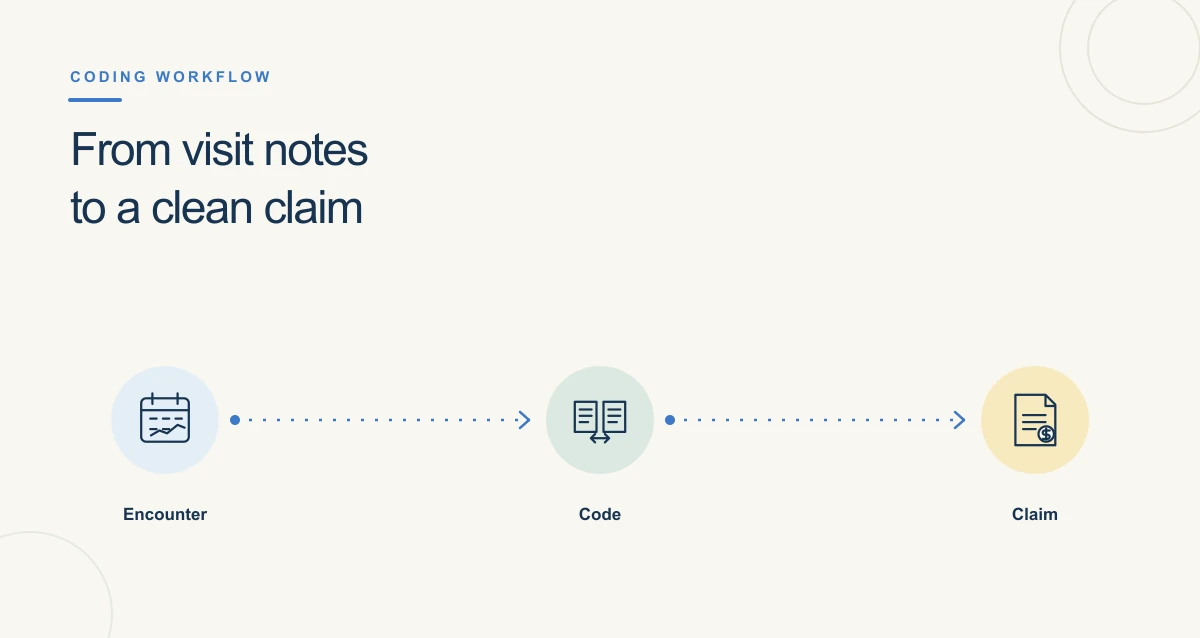
Billing software may help organize work queues, identify missing information, or report denial patterns, depending on the product and configuration. A system should preserve appropriate review and make exceptions visible. With Ambula or another practice platform, ask staff to trace a claim-related task from encounter documentation through its resolution and confirm which steps are included versus handled by a separate billing service.
Review measures after each change and include patient inquiries and staff rework alongside collection indicators. Sustainable improvement usually comes from accurate upstream information, clear task ownership, and a fair process for resolving questions.
A
Written by
Ambula Team
Personal injury EMR and surgery center software
Ambula is the operating system for personal injury clinics and surgery centers. Our team writes about intake, charting, records, billing and liens, and how each fits into the case.