
Neurology EMR for personal injury
Neurology EMR for Personal Injury
Neurology practices treat personal injury and insurance patients. Ambula runs both in one cloud-based EMR, from neurological exams and test results to liens and attorney records.
One record, from first visit to handoff
Follow the clinical case without losing the work around it.
Updated
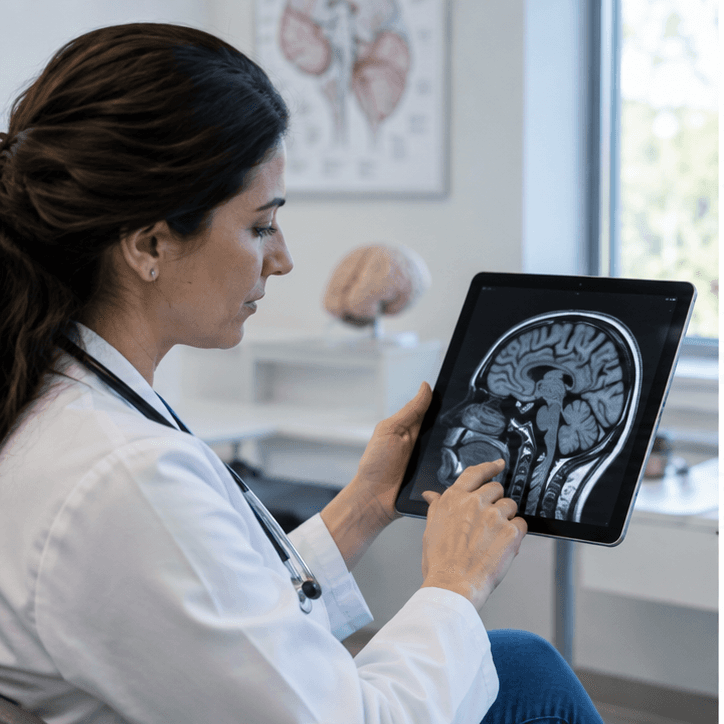
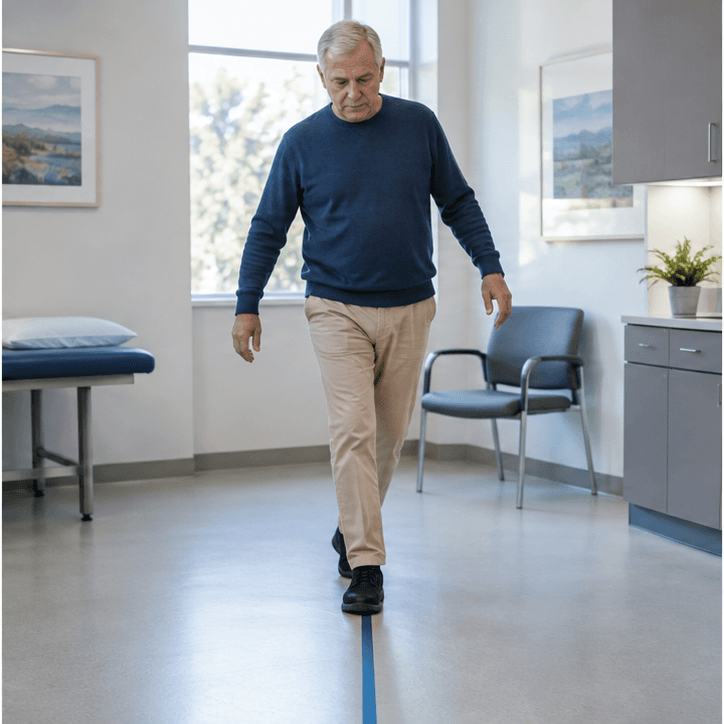

Connected care path
One connected personal injury record
One record from the first symptom to the medical-legal report.
Ambula is a cloud-based neurology EMR for practices that treat personal injury patients. It keeps the symptom timeline, neurological exams, test results, diagnostic coding, lien billing, and attorney records in one case, so the medical-legal report is built from the chart instead of retyped.
Personal injury workflow
What a standard neurology EMR misses with personal injury patients.
A neurology EMR records the exam. A personal injury case also needs a symptom timeline tied to the accident, a signed lien, and a report the attorney can use at settlement. Most practices put those together by hand.
A symptom timeline tied to the accident
Patients describe when headaches, dizziness, numbness, or memory changes began in digital intake, so the history starts from the injury.
Liens signed before the first exam
Lien and consent forms are signed during digital intake, with the referring attorney attached to the case from day one.
Reports from the chart you already wrote
Case reports pull exam findings, test results, and follow-up from the record for the medical-legal report.
Attorney updates without phone tag
Firms see the records and bills you approve in the Lawyer Portal and are notified when new documents are uploaded.
01 · Intake
Symptom history and referral before the first exam.
Start with when the symptoms began after the accident, who referred the patient, and the signed lien before the first exam.
Patients describe headaches, dizziness, numbness, or memory changes in digital intake, so the exam starts from their own account.
The firm that sent the patient is attached to the case from day one, ready for updates later.
Lien and consent forms are signed on the patient's phone before the first visit.
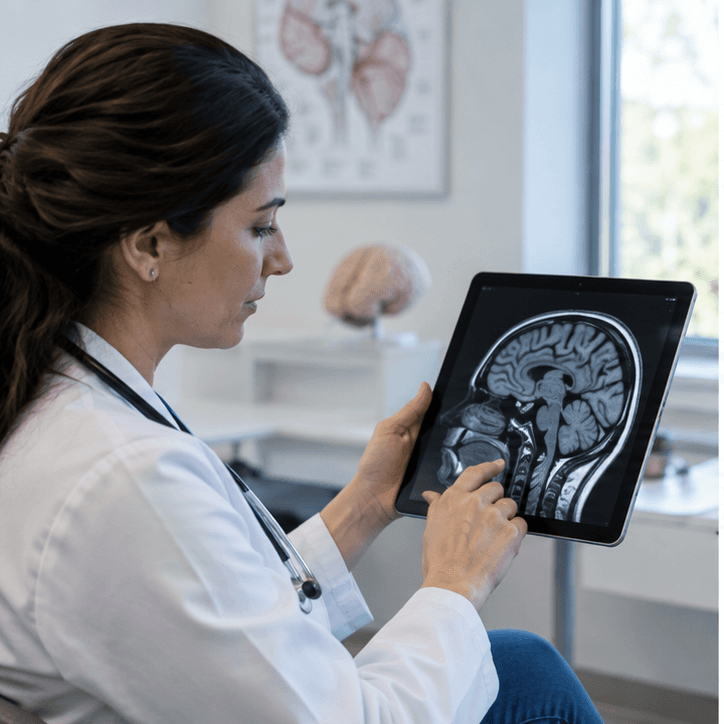
Neurology intake
02 · Care
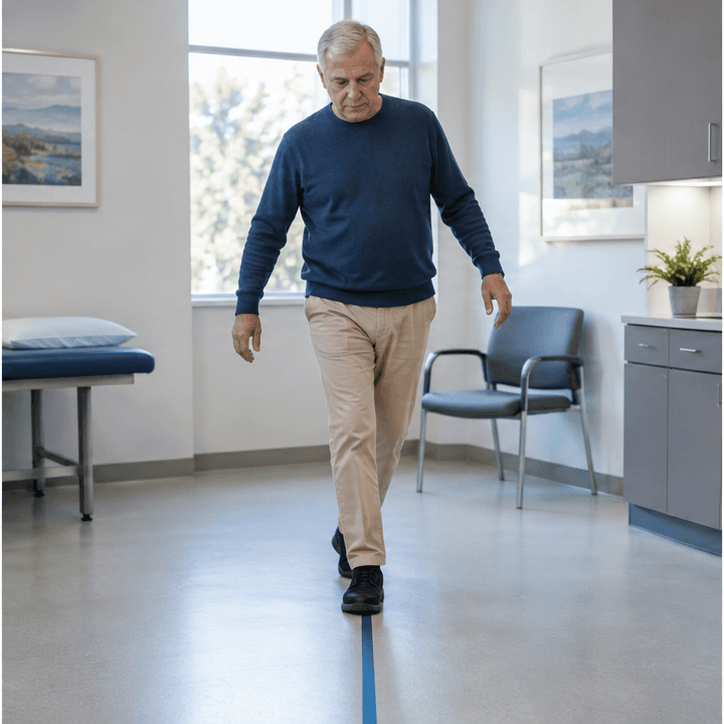
Neurological exams and test results in one chart.
Document each neurological exam and test result in one chart that shows how the patient is changing over time.
Customizable templates for conditions such as traumatic brain injury, post-concussion syndrome, and peripheral nerve injury.
Electroencephalogram (EEG) and electromyography (EMG) results sit in the chart next to the exam they informed.
Findings from each follow-up are tracked against earlier visits, so change is easy to show.
03 · Handoff
Medical-legal reports, ready for the firm.
When the firm asks, build the medical-legal report from the chart you already wrote.
A case report pulls exam findings, test results, and follow-up from the record instead of being retyped.
Choose which notes the firm can see in the Lawyer Portal. Nothing else is shared.
The itemized bill and current lien balance go to the law office with the records.

Records release
Neurology documentation
Built for exams, testing, and change over time.
A neurological injury is documented across many visits. Templates and tracking keep each finding comparable to the last.
Neurological exam templates
Customizable templates for traumatic brain injury (TBI), post-concussion syndrome, and peripheral nerve injury.
Diagnostic coding
Built-in diagnostic coding in the chart, next to the findings it describes.
Test results with the exam
Electroencephalogram (EEG) and electromyography (EMG) reports kept in the chart next to the exam they informed.
Progress tracking
Findings from each follow-up are tracked against earlier visits, so change, or the lack of it, is easy to show.
Compare
Standard neurology EMR vs. Ambula
How a neurology practice that treats personal injury patients usually works today, and what changes in Ambula.
| What the practice needs | Standard neurology EMR | Ambula |
|---|---|---|
| Neurological exam templates | Yes | Yes, for brain injury, concussion, and nerve injury |
| Test results with the exam | Often filed separately | In the same chart |
| Insurance patients | Yes | Yes, in the same chart as personal injury cases |
| Lien forms | Usually paper or a separate tool | Signed digitally at intake |
| Medical-legal reports | Written by hand from old notes | Built from the chart |
| Attorney access to records and bills | Fax, email, and phone calls | Lawyer Portal, with access you control |
See your lien and attorney workflow in Ambula.
Book a demoConnected neurology capabilities
The clinical context carries forward.
Bring symptoms, testing, documentation, and the next authorized step together around the active case.
Explore the complete personal injury workflowNeurology EMR for personal injury
Neurology EMR questions
Practical answers about the record, treatment progress, and the information that follows the case forward.
01What should a neurology EMR have if we treat personal injury patients?+
Neurological exam templates and diagnostic coding are the start. For personal injury cases you also need lien forms at intake, a symptom timeline tied to the accident, attorney access you control, and medical-legal reports built from the chart. Ambula includes these in one cloud-based EMR.
02How much does Ambula's neurology EMR cost?+
Ambula costs $300 per provider per month on the independent practice plan, with no per-claim fees. It includes neurology templates, personal injury billing, the Lawyer Portal, and email and phone support.
03Can Ambula handle insurance patients as well as personal injury cases?+
Yes. Neurology practices with a mix of insurance and personal injury patients run both in Ambula, so every patient is in one chart while personal injury cases keep their liens, attorney requests, and settlement tracking.
04Which neurological conditions do Ambula's templates cover?+
Ambula includes customizable templates for conditions common after an accident, such as traumatic brain injury (TBI), post-concussion syndrome, and peripheral nerve injury. Practices can adjust them to match their own exam.
05Can EEG and EMG results go in the neurology chart?+
Yes. Electroencephalogram (EEG) and electromyography (EMG) reports can be kept in the chart next to the exam they informed, and case reports can draw on them. If you need a direct connection to your testing equipment, confirm it with the Ambula team first.
06Can Ambula produce a medical-legal report for the attorney?+
Yes. Case reports pull exam findings, test results, and follow-up from the record, and you choose what the firm receives through the Lawyer Portal.
07Can we bring records from our old EMR?+
Yes. Ambula can move structured data, such as demographics, medical histories, and medication lists, plus scanned assessments and reports. The team reviews your current system with you and agrees on scope and any fees before you switch.
A clear starting point
Built for how your practice works.
Ambula brings the clinical and personal injury workflow into one connected practice plan.
Ambula specialty EMR
Integrated scheduling, documentation, case management, and reporting.
$300per provider, per month
Related
More of the personal injury workflow
Bring the next case
See how the case moves through Ambula.
Walk through intake, documentation, care coordination, and authorized records sharing in one product demo.