Understanding the Importance of Empathy
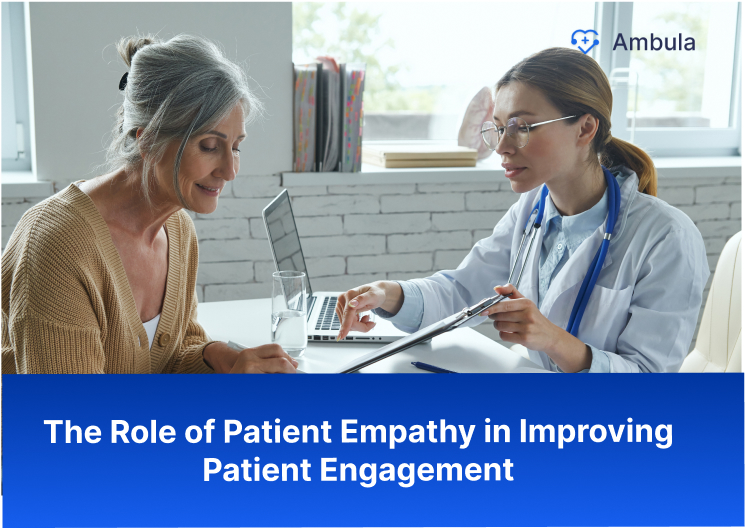
Empathy allows healthcare providers to connect with their patients on a deeper level, understand their needs, and respond in a way that shows they care.When healthcare providers show empathy, it can improve patient satisfaction, as patients feel heard and understood. This, in turn, can lead to increased patient engagement, as patients are more likely to take an active role in their healthcare and adhere to treatment plans.The importance of patient engagement cannot be overstated, as it has been shown to improve health outcomes, reduce healthcare costs, and increase patient satisfaction. Healthcare providers prioritizing empathy and patient engagement can create a more positive and practical healthcare experience for their patients.
Improving Communication through Empathy
Empathetic language involves words and phrases conveying care, understanding, and concern for the patient's well-being. When healthcare providers use human language, patients feel heard, respected, and valued, which can lead to more positive patient experiences and outcomes.Some techniques for empathy in patient interactions include active listening, acknowledging the patient's emotions, and using open-ended questions. Active listening involves giving the patient your full attention and listening to what they say without interrupting or judging them. This shows the patient that you value their input and are interested in what they say.Acknowledging the patient's emotions involves recognizing and validating their feelings. For example, if a patient expresses frustration with their treatment plan, a healthcare provider could say, "I can understand how frustrating that must be for you." This shows the patient that you understand and cares about their emotions, which can help build rapport and trust.Using open-ended questions involves asking questions that encourage patients to share more information about their health concerns. For example, instead of asking a closed-ended question like "Are you feeling better?" a healthcare provider could ask an open-ended question like "Can you tell me more about how you've been feeling since your last visit?" This shows the patient that you are interested in their whole story, not just a yes or no answer.
Empathy in Building Trust
Empathy and trust are closely related in healthcare, and both are essential for building strong patient-provider relationships. When healthcare providers show compassion towards their patients, they demonstrate that they care about their well-being and are willing to listen and respond to their concerns. This can help build trust between the patient and the provider.Trust is crucial in healthcare because it allows patients to feel confident that their healthcare providers have their best interests at heart. When patients trust their healthcare providers, they are more likely to follow treatment plans, share important information, and engage in care. This can lead to better health outcomes and more positive patient experiences.When patients feel that their healthcare providers understand and care about their needs, they are more likely to trust them. This can lead to improved patient engagement, as patients are more likely to be invested in their care and participate in shared decision-making with their healthcare providers.
Empathy in Shared Decision Making
Involving patients in decision-making is essential to patient-centered care, as it recognizes that patients are experts in their health and care needs. Shared decision-making involves collaborating with patients to make decisions about their health and maintenance that are informed by their values, preferences, and goals. It empowers patients to take an active role in their care and helps healthcare providers deliver more personalized and effective care.Empathy can facilitate shared decision-making by promoting open and honest communication between patients and healthcare providers. When healthcare providers demonstrate empathy, patients feel more comfortable sharing their thoughts and concerns, which can lead to a better understanding of their values and preferences. Empathetic healthcare providers can help patients feel heard and validated, building trust and rapport and making them more willing to participate in shared decision-making.
Empathy in Patient Education
Empathy is essential in patient education, as it helps healthcare providers communicate complex medical information that patients can understand and relate to. When healthcare providers demonstrate empathy, patients feel more comfortable asking questions, expressing concerns, and engaging in the learning process. This can lead to improved patient understanding and adherence to treatment plans.Empathetic healthcare providers can help patients understand the importance of following their treatment plans by demonstrating an understanding of their unique circumstances and needs. By listening to patients, healthcare providers can tailor their approach to patient education to better align with the patient's values and goals. This can help patients feel more invested in their care and more willing to follow their treatment plans.
Empathy in Patient Follow-Up
Empathetic follow-up can significantly impact patient outcomes, as it demonstrates a commitment to ongoing care and can help patients feel supported and valued. By showing empathy in follow-up interactions, healthcare providers can help patients feel more engaged in their care, improve patient satisfaction, and ultimately lead to better health outcomes.One of the critical techniques for showing empathy in follow-up interactions is active listening. This involves giving the patient your undivided attention, asking open-ended questions, and clarifying any points of confusion. Active listening can help patients feel heard and validated, promoting trust and rapport and making them more willing to engage in their care.
Empathy in Patient Experience
Empathy can significantly impact the overall patient experience by helping create a more positive and supportive healthcare environment. When healthcare providers demonstrate empathy, patients are more likely to feel valued and heard and to have greater trust in their providers. This can improve patient satisfaction, engagement, and health outcomes.One example of a healthcare provider who has successfully implemented empathy in their practice is Dr. Danielle Ofri, a physician and author who has written extensively on the importance of empathy in healthcare. Dr. Ofri has emphasized the importance of active listening, taking the time to understand the patient's perspective, and using supportive and validating language. By demonstrating empathy in her practice, Dr. Ofri has created a more patient-centered approach to care, improving patient outcomes and greater patient satisfaction.Another example of a healthcare provider who has successfully implemented empathy in their practice is Dr. Rana Awdish, a critical care physician who has written about her experiences as a patient and the importance of empathy in healthcare. Dr. Awdish has emphasized the need for healthcare providers to listen to the patient's story, show compassion, and be present in the moment. By demonstrating empathy in her practice, Dr. Awdish has created a more patient-centered approach to care, resulting in improved patient outcomes and greater patient satisfaction.
Challenges to Empathy in Healthcare
One common obstacle to showing empathy in healthcare is time constraints. Healthcare providers often have limited time to spend with each patient, making it challenging to demonstrate empathy. To overcome this obstacle, healthcare providers can find ways to make the most of their time with patients. This might involve active listening, asking open-ended questions to better understand the patient's concerns, or using non-verbal cues such as nodding and eye contact to demonstrate empathy and support.Another obstacle to showing empathy in healthcare is burnout and compassion fatigue. Healthcare providers may become emotionally drained or overwhelmed by the demands of their work, which can make it challenging to show empathy. To overcome this obstacle, healthcare providers can prioritize self-care and seek support from colleagues, supervisors, or mental health professionals. They can also find ways to maintain a healthy work-life balance and avoid overextending themselves.A lack of training or support can also hinder showing empathy in healthcare. Some healthcare providers may not have received formal training on how to demonstrate compassion or may not have access to resources or support that can help them develop and maintain their empathetic skills. To overcome this obstacle, healthcare providers can seek out training or resources on empathy, such as workshops or online courses, and connect with colleagues or mentors who can offer guidance and support.
Conclusion
In conclusion, empathy is crucial in healthcare, particularly in patient engagement. By demonstrating empathy, healthcare providers can improve patient understanding, build trust, and create a more patient-centered healthcare environment. While there may be obstacles to demonstrating empathy in healthcare, there are strategies that healthcare providers can use to overcome these obstacles and show compassion in their practice. By prioritizing empathy and patient engagement, healthcare providers can improve patient outcomes and create a more positive healthcare experience for all involved.