Have you ever waited for what seemed like an eternity at your doctor's office, only for your appointment to be delayed, rescheduled, or even forgotten? Indeed, we've all been there, and it's never a pleasant experience. Thankfully, healthcare scheduling software systems have emerged as essential for medical practices everywhere. The right medical scheduling software can alleviate stress, save time, and improve patient satisfaction.In this comprehensive blog post, I'll discuss the best healthcare scheduling systems and how they can bolster patient satisfaction and streamline medical practices. We'll also consider the cost of medical scheduling software and what key features to look for as you navigate this vast digital landscape. So, grab your favorite beverage, sit, and dive into the exciting world of healthcare scheduling software systems!Table of Contents:I. The Necessity of Healthcare Scheduling Software SystemsII. Types of Healthcare Scheduling SoftwareIII. Top Healthcare Scheduling Software Systems on the MarketIV. Key Features to Look for in Healthcare Scheduling Software SystemsV. Factors Affecting the Cost of Medical Scheduling Software SystemsVI. The Impact of Healthcare Scheduling Software on Patient SatisfactionVII. The Future of Healthcare Scheduling SoftwareVIII. Final Thoughts on Healthcare Scheduling Software Systems
I. The Necessity of Healthcare Scheduling Software Systems
Medical practitioners and healthcare professionals face numerous challenges in their day-to-day operations. These include managing patient appointments, handling billing and payment processing, ensuring HIPAA compliance, and staying up-to-date with ever-evolving medical history protocols.Healthcare organizations can lighten this load by using a solid practice management system, which often incorporates patient scheduling as a core component. Clinic management becomes much more manageable with the right patient scheduling system, making choosing the best patient scheduling software for your staff and medical practice even more important.Not surprisingly, patient satisfaction directly correlates with the efficiency of healthcare scheduling. Patients who experience a seamless appointment scheduling process are more likely to remain loyal to the healthcare provider and encourage others to use their services.For these reasons, selecting the best patient scheduling software should be a top priority for healthcare organizations. So, how do you choose the software that's right for you?
II. Types of Healthcare Scheduling Software
Several healthcare scheduling software systems cater to different users, provider preferences, and requirements. Some of the most common types include:1. Patient Scheduling Software2. Appointment Scheduling Software3. Hospital Scheduling Software4. Automated Appointment Scheduling Software5. Appointment Management SoftwareAt their core, all of these types of medical scheduling systems aim to help healthcare providers manage their daily operations more efficiently and effectively.
III. Top Healthcare Scheduling Software Systems on the Market
There are several outstanding healthcare scheduling software systems from which to choose. Some of the best options include:
- Ambula Health
- DrChrono
- Kareo
- AdvancedMD
- NextGen Healthcare
- Practice Fusion
1. Ambula Health
2. DrChrono
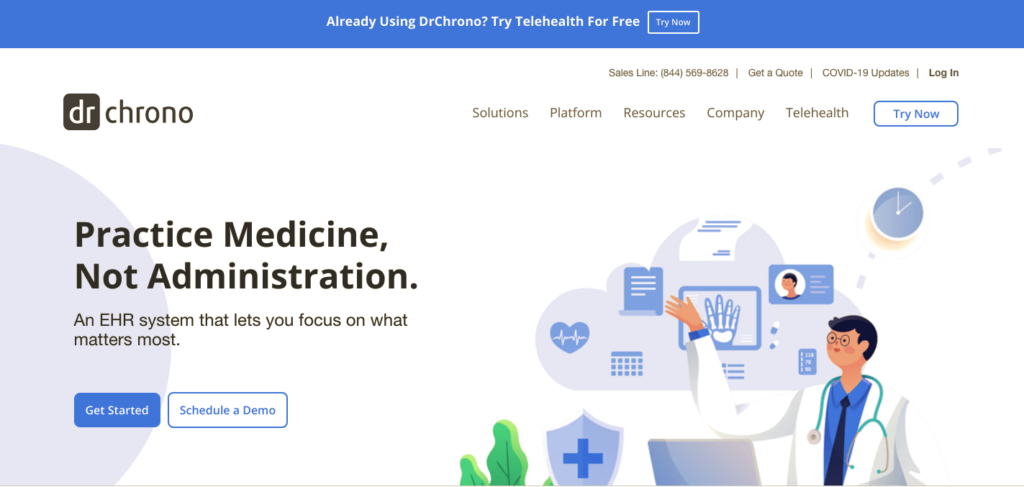
DrChrono is a cloud-based, all-in-one Electronic Health Record (EHR), practice management, and medical billing platform. This company focuses on medical practices' day-to-day tasks. Its medical scheduling software can be customized for various provider sizes and behavioral health specialists. The system offers integrated medical billings, patient scheduling, a patient portal, appointment reminders, and a mobile app. DrChrono provides a comprehensive solution for healthcare professionals to streamline their operations and enhance patient satisfaction.Feature
- Cloud-based platform
- Customizable templates
- Integrated billing
- Appointment scheduling and reminders
- E-Prescribing
- Telehealth integration
- Lab and imaging integration
3. Kareo
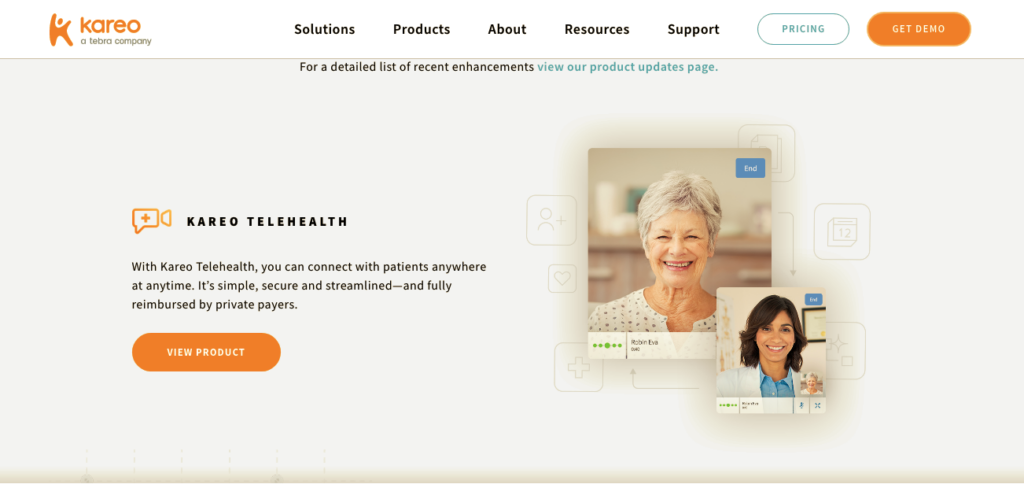
Kareo is another cloud-based platform offering a product suite tailored for small to medium-sized healthcare practices. Its key features include electronic health records, patient engagement tools, practice management solutions, and medical billing services. Kareo's medical scheduling software provides appointment scheduling, reminders, patient intake forms, and portals to manage appointments more efficiently.
Feature
- Patient registration and schedulingOrder entry and managementClinical decision support toolsSecure messaging and communicationPatient portal for online appointment bookingIntegration with practice management systemsHealth information exchangeReporting tools for quality measures
4. AdvancedMD
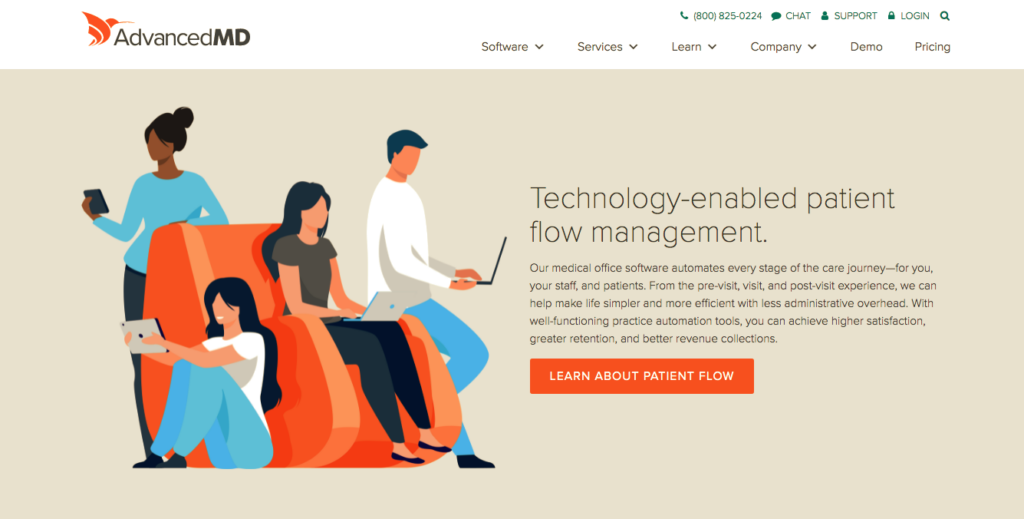
AdvancedMD offers a comprehensive suite of cloud-based, integrated practice management and EHR solutions. Its practice management platform includes medical scheduling software that enables healthcare organizations to streamline appointment management, reduce administrative tasks, and optimize patient flow. AdvancedMD's platform offers features like electronic health records, medical billing, telehealth services, and practice analytics. The platform caters to various medical specialties, providing customizable tools to meet each practice's unique needs.
Feature
- Interoperability
- Reporting and analytics
- Revenue cycle management
- Advanced scheduling
- Patient portal
- Telemedicine
5. NextGen Healthcare

NextGen Healthcare is a leading provider of electronic health record and practice management solutions for healthcare organizations. The platform offers appointment scheduling and management features, appointment reminders, patient portals, and practice analytics. NextGen Healthcare also supports mobile device access, enabling healthcare professionals to manage appointments and access patient records.
Feature
- Comprehensive EHR Solution
- Interoperability and Connectivity
- Patient Portal
- Population Health Management
- Revenue Cycle Management
- Telehealth Solutions
- Analytics and Reporting
6. Simple Practice

Besides its impressive suite of functional tools, Simple Practice EMR also supports practitioners in maintaining a healthy work-life balance. The platform offers automated appointment reminders, reducing no-show rates and enhancing patient satisfaction. Its inbuilt professional website builder and marketing tools assist in promoting individual practices, making it an all-in-one solution for practice management.Feature
- EHR management
- Appointment scheduling
- Telemedicine
- e-Prescribing
- Patient portals
- Medical billing and coding
- Interoperability
- Clinical decision support
- Analytics and reporting
- Security and compliance
7. Epic EMR
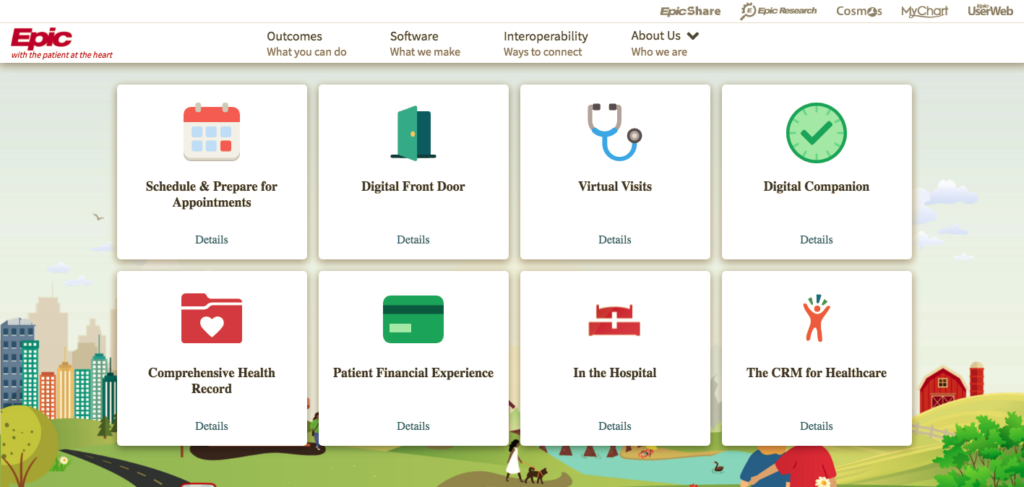
Epic EMR is a leading electronic health record software known for its user-friendly interface, comprehensive feature set, and strong compliance with government standards. Developed by Epic Systems Corporation, this versatile solution serves healthcare providers of all sizes, from small practices to large hospitals. Epic EMR is designed to optimize daily workflows, improve patient engagement, and ensure seamless interoperability among healthcare systems, ultimately enhancing patient care and experience.
Feature
- Customizable User Interface
- Interoperability and Integration
- Comprehensive modules
- MyChart Patient Portal
- Population Health Management
- Artificial Intelligence and Machine Learning
- Clinical Decision Support
8. Cerner
Cerner EMR is an electronic medical record system developed by Cerner Corporation, aimed at streamlining clinical workflows and enhancing patient care across various healthcare settings. The scope of Cerner EMR's offering includes large hospitals, long-term care facilities, physician practices, and smaller medical practices, catering to multiple medical specialties. The platform has been designed to serve various healthcare needs while offering a user-friendly interface.While the system aims to support healthcare professionals with efficient clinical workflows and patient care, it is not without its drawbacks. For instance, smaller healthcare organizations or practices might find the cost of implementation and maintenance of Cerner EMR to be high, influencing their decision-making process.Features
- Interoperability and Data Integration
- Customizable Modules and Care Plans
- Advanced Analytics and Reporting
- Patient Portal
- Mobile Access
- Revenue Cycle Management
- Clinical Decision Support
9. Practice Fusion
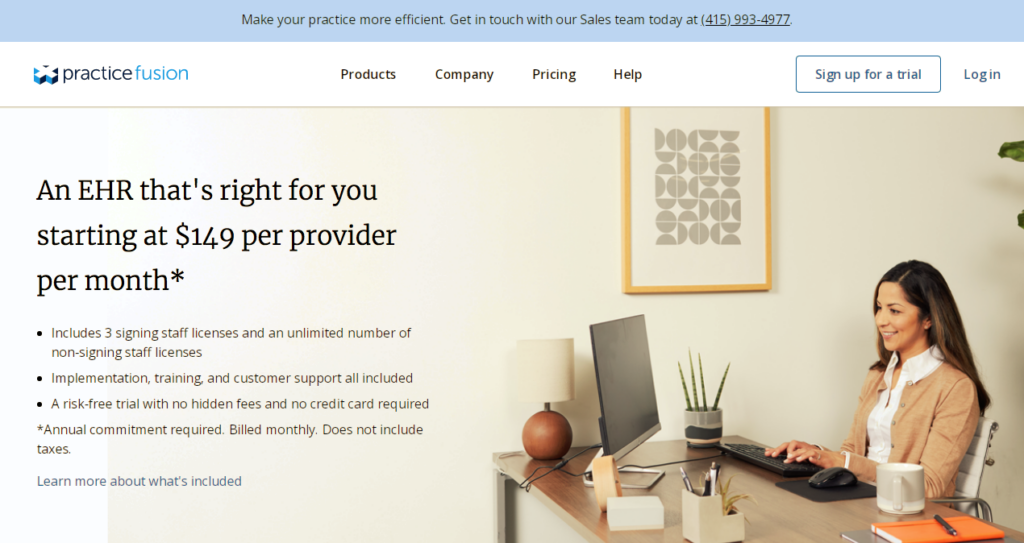
Practice Fusion, now part of Veradigm, is a cloud-based EHR platform known for its ease of use and affordability. The platform was designed for small to medium-sized healthcare practices. In addition to electronic health records, Practice Fusion offers practice management software, appointment scheduling, and patient portal features. The platform emphasizes improved patient care by providing healthcare providers with tools to streamline appointment scheduling, billing, and patient communication. Practice Fusion also offers analytics to help healthcare professionals make data-driven decisions.These unique healthcare scheduling systems offer unique features and benefits, catering to various medical practices and health records systems. When selecting software for your practice, it's essential to evaluate the most critical features for your specific needs.
Feature
- Comprehensive patient records
- Interoperability
- Documentation tools
- Decision support tools
- Population health management
- Patient engagement
- Revenue cycle management
- Telehealth and virtual care capabilities
IV. Key Features to Look for in Healthcare Scheduling Software Systems
As you evaluate the various healthcare scheduling systems available for your medical practice, be sure to prioritize the following key features:1. Appointment Scheduling and Reminders2. Patient Portal Access3. Practice Management Integration4. Billing and Revenue Cycle Management5. Electronic Health Records Management6. Patient Self-Scheduling Capabilities7. Automated Appointment Reminders8. Remote Patient Monitoring9. Patient Registration and Pre-Registration10. Mobile Device CompatibilityBy considering the features above, you'll be on your way to finding the ideal patient scheduling software system for your medical practice.
V. Factors Affecting the Cost of Medical Scheduling Software Systems
Several factors can affect the cost of medical scheduling software systems, including:1. The medical specialty of the practice2. The number of providers at the practice3. The types of features needed4. Customization requirements5. The cloud-based or on-premise nature of the software6. Integration with existing systems (such as EHRs)When determining your medical scheduling software budget, consider these factors to ensure you get the best value for your organization's unique needs.
VI. The Impact of Healthcare Scheduling Software on Patient Satisfaction
When it comes to patient satisfaction, you cannot overstate the importance of efficient scheduling systems, as they lead to:1. Reduced patient wait times2. Improved patient-provider communication3. Streamlined appointment management4. Greater patient loyaltySimply put: a top-notch healthcare scheduling software system will have a measurable positive impact on patient satisfaction and, ultimately, the success of your medical practice.
VII. The Future of Healthcare Scheduling Software
As healthcare scheduling software systems continue to grow, emerging trends like artificial intelligence, voice assistants, and predictive scheduling will undoubtedly play a significant role in streamlining appointment management for healthcare organizations.
VIII. Final Thoughts on Healthcare Scheduling Software Systems
In conclusion, healthcare scheduling software systems are indispensable tools for busy medical practices, helping them enhance patient satisfaction, boost operational efficiency, and improve patient-provider relationships. As healthcare professionals increasingly embrace practice management solutions and patient portals, choosing the best patient scheduling software will be critical to the future success of medical practices worldwide.With this comprehensive guide and a keen awareness of the critical features to prioritize, you are now well-equipped to choose the perfect healthcare scheduling software system for your medical practice. Here's to higher patient satisfaction and a more efficient workflow for you and your team!