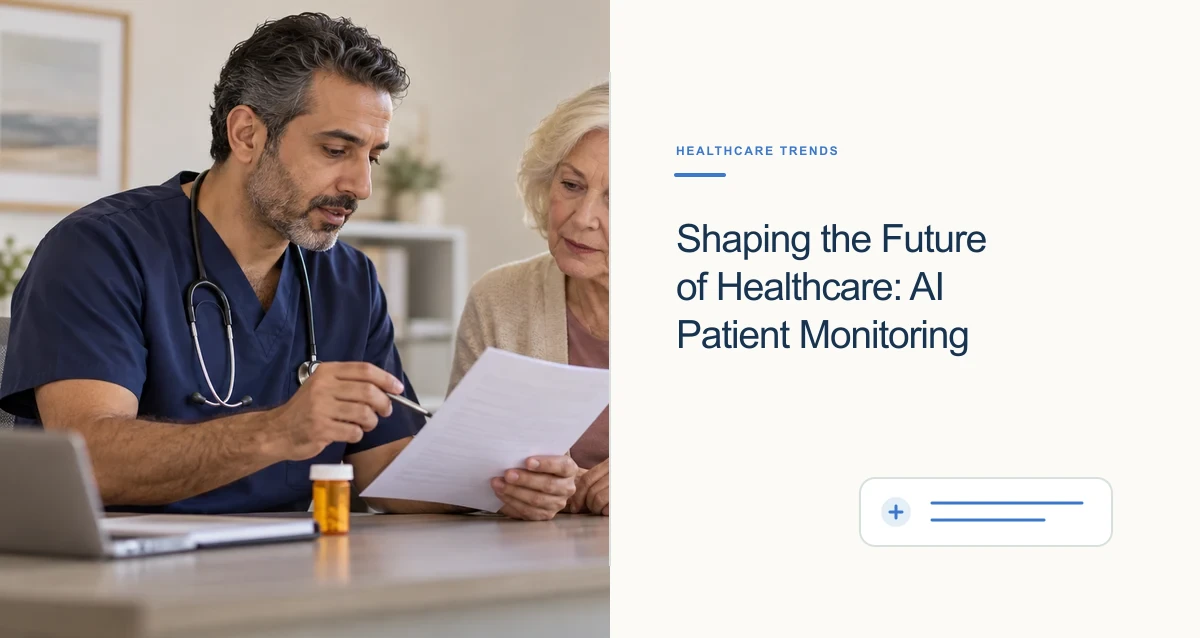
Remote patient monitoring (RPM) uses connected medical devices to collect health information outside a traditional in-person visit and transmit it to a healthcare provider. It can support care for selected patients when the data is clinically useful and the practice has a reliable process to review it. RPM is not simply distributing devices: it requires patient consent, appropriate monitoring, clear escalation, and attention to access and privacy.
Potential uses and benefits
Depending on the patient, condition, device, and care plan, RPM may help clinicians observe trends between visits and may give patients another way to participate in managing a condition. It can support timely follow-up when readings suggest a need for review. These potential benefits are not guaranteed and should be evaluated for the intended population and workflow.
What a practice needs to plan
- Clinical eligibility and purpose: define who may benefit, what information is needed, and how it will inform care.
- Device and connectivity: assess usability, reliability, language needs, internet access, and device support.
- Data review: assign who reviews readings, how often, and what happens when readings are missing or outside a defined range.
- Escalation and coverage: clarify urgent response, after-hours boundaries, and what patients should do in an emergency.
- Documentation and privacy: determine where information is recorded, who may access it, and how vendor data flows are governed.
- Patient education: explain device use, expected response times, limitations, consent, and how to ask for help.
Reimbursement and policy require current verification
Coverage and billing requirements vary by payer, service, patient, and current policy. Do not rely on a general article or old code list to determine eligibility or billing. Check current CMS guidance and applicable payer rules, and consult qualified billing and compliance professionals before launching a program.