The difference between EHR and EMR might not seem obvious. This is due to many similarities between the two tools. But in the healthcare world, the gap is highly significant. Find out how one word can make the whole difference.
EHR and EMR systems
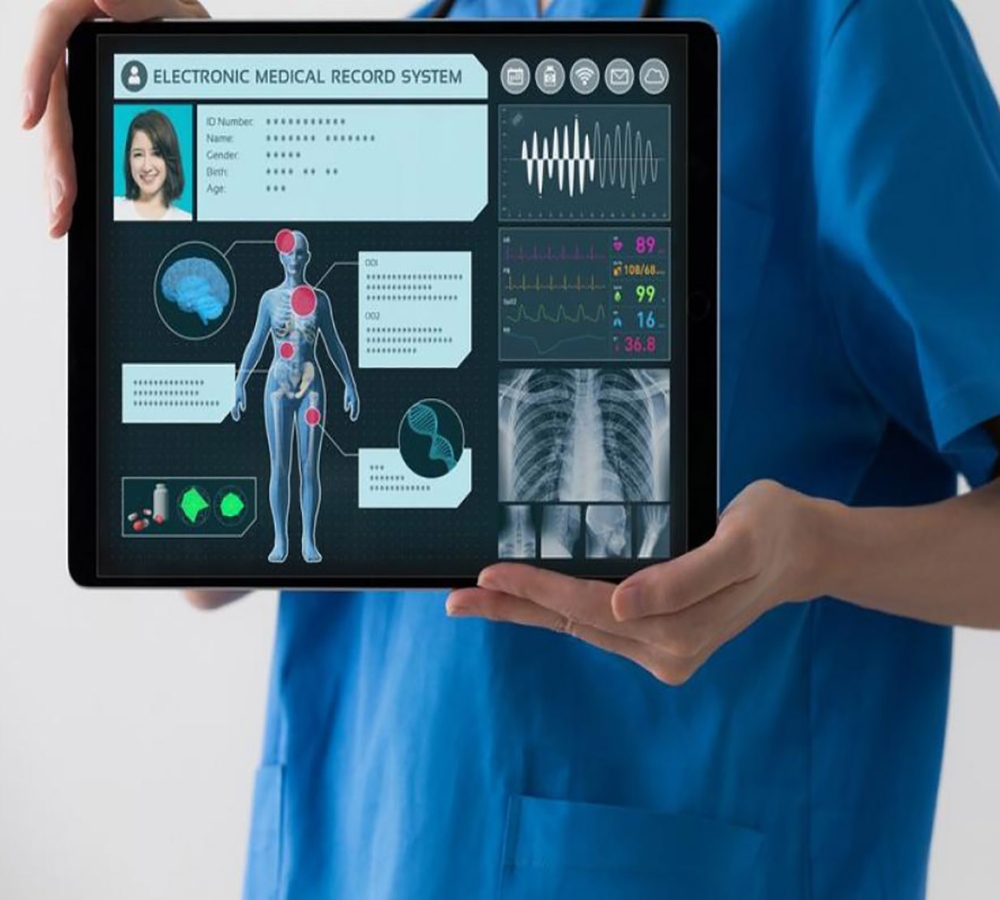
EHR and EMR systems are used interchangeably. This makes telling the difference between EHR and EMRhard. The first term stands for “electronic health record” and the latter for “electronical medical record”. The key to understand EHR and EMR separately is in the middle word. The word “medical” focuses on treatment and diagnosis done by clinicians. Whereas, the word “health” covers more ground and is linked to the overall condition of the body.You can consider EMRs to be the digital form of the paper charts you find at the doctor’s office. They reveal the treatment and medical history of the patient during one practice. Due to their digital nature, EMRs allow the doctors to track data in time. They help identifying easily the patients that need checkups and preventive screenings. We can use them to check the patient’s condition in terms of particular parameters. For example, vaccinations and blood pressure readings. They improve and monitor the general quality of the care provided in one practice. Despite the many benefits, EMRs remain a bit stiff in terms of navigation.
How EHRs exceed EMRs
How EHRs exceed EMRs is a proof of a more advanced technology found in EHRs. EHRs match EMRs in benefits and exceed them. They’re not limited to the clinical data alone. But rather, they reach the entire health condition of the patient. They’re not only used inside the health system alone. They’re also designed to be shared with different health care providers. For example, specialists and laboratories. This is why they collect different doctors’ information if they’re involved and are more flexible. EHRs move from the patient to the hospital, the nursing home and across the nation in a secure way.
Compare and contrast the difference between EHR and EMR
To compare and contrast the difference between EHR and EMR we dig deeper into the difference between EHR and EMR. Both tools are a positive asset to the healthcare system. The big difference lies in the fact that EHRs, when certified, reach further ahead. They allow the important use standards for programs that are incentive-based. EMRs on the other hand, can’t. EHRs’ design allows them to be expanded and shared outside one practice. EMRs can’t. EMRs are limited to treatment and diagnosis data while EHRs go more in depth. Finally, EHRs are more flexible and movable and travel easily with the patient.
How are EMR and EHR interdependent
How are EMR and EHR interdependent is very useful topic that explains the synonymous usage of the two terms. Both tools work together interdependently. For example, suppose you are searching for a new substance abuse or behavioral health softwares. You can use the EMR primarily in order to look at a patient’s health in a clinic, it’s only one side of the story. More complete care will be provided when sharing the patient’s data with other specialties, labs and practices. The interdependence between is based on the need for the EMR to boost coordination. Besides the need for communication in a certain practice. The EHR on the other hand will help several practices coordinate and communicate the patient’s history and care.
Similarities between EMR and EHR
Explaining the similarities between EMR and EHR can give a wider perspective over the two tools. The main point that depicts this difference emanates from benefits. You can benefit from EMRs from an improved access to the documentation. This covers each patient while tracking the patients over time. The benefits of EHRs exceed these. They allow an access to the entire medical history of a patient covering the continuous history. They offer the ability to share the medical history of a patient perfectly. Areas covered include pharmacies, hospitals, labs, specialists, general practitioners and any authorized party. They give access to a wide variety of complicated tools. This varies from advanced reporting to speech recognition and dictation and E-prescribing.Covering the difference between EHR and EMR has been accomplished above. You can now choose what works best for you and benefit. Have access to all the information gathered in the history of patient care. Allow the patient to have his own record and access to lab results with EHRs. A flexible motion is allowed also to provide information for the next clinician in charge.With both EMRs and EHRs you’ll decrease the time you need for pulling charts. You’ll also boost the access to the patient’s data in its entirety. You’ll be assisted to manage prescriptions; plus, more benefits these tools provide. Finally, reach out to Ambula healthcare team to get all the information you're looking for on: (805) 558-2418!