

Author
Alex Khamidov
Certified Neuro EEG Technician and Trainer
Alex Khamidov is a certified neuro EEG technician and trainer who supports Ambula's assessment operations.
He reviews Ambula's neurology, clinical documentation and patient safety articles for clinical accuracy, and writes about neurology practice.
Articles by Alex
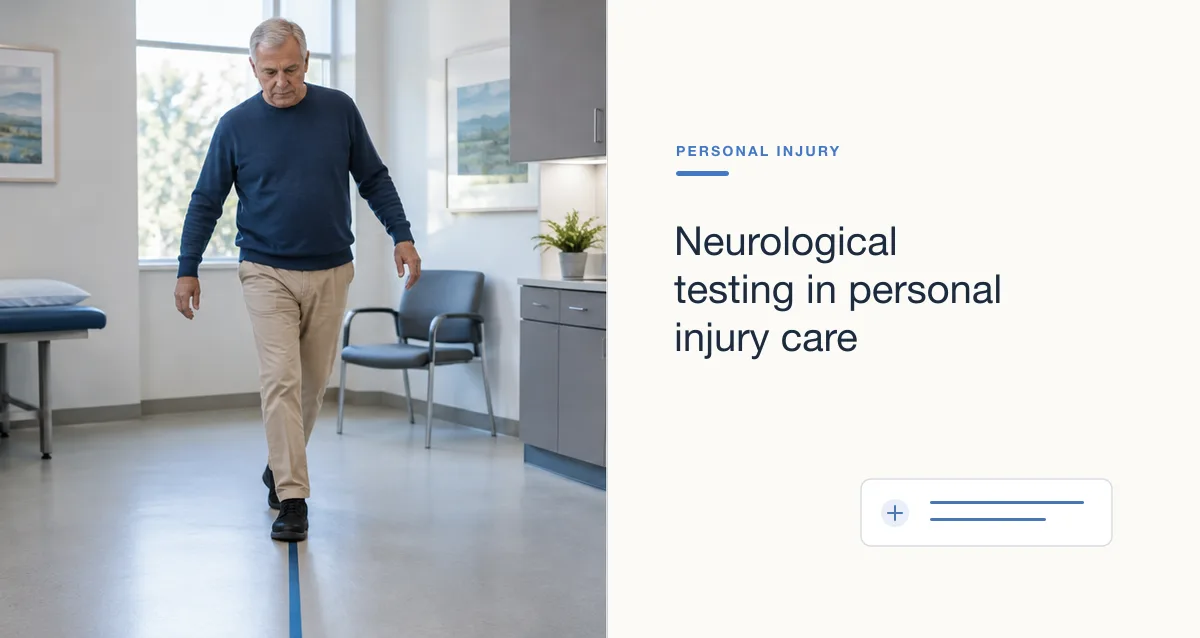
Neurological Testing After an Accident: What Each Test Shows and How to Document It
The neurological exam, EMG and nerve conduction studies, imaging, neuropsychological and concussion testing after an accident: what each shows, its limits, and how to document results for attorneys.
7 min read

Neurology EHR Data: Diagnostics, Imaging and Long-Term Tracking
Which neurology data to capture in the EHR, how to document EMG, nerve conduction and imaging results so they stay usable, and how to track patients over time, including after an accident.
7 min read
Reviewed by Alex
Articles Alex checked for accuracy before publishing.

How to Improve EHR Documentation: A Practical Guide
What a strong EHR note contains, the documentation gaps reviewers flag most often, how to run a simple internal review, and how to correct the record, with notes on records read by attorneys and adjusters.
7 min read
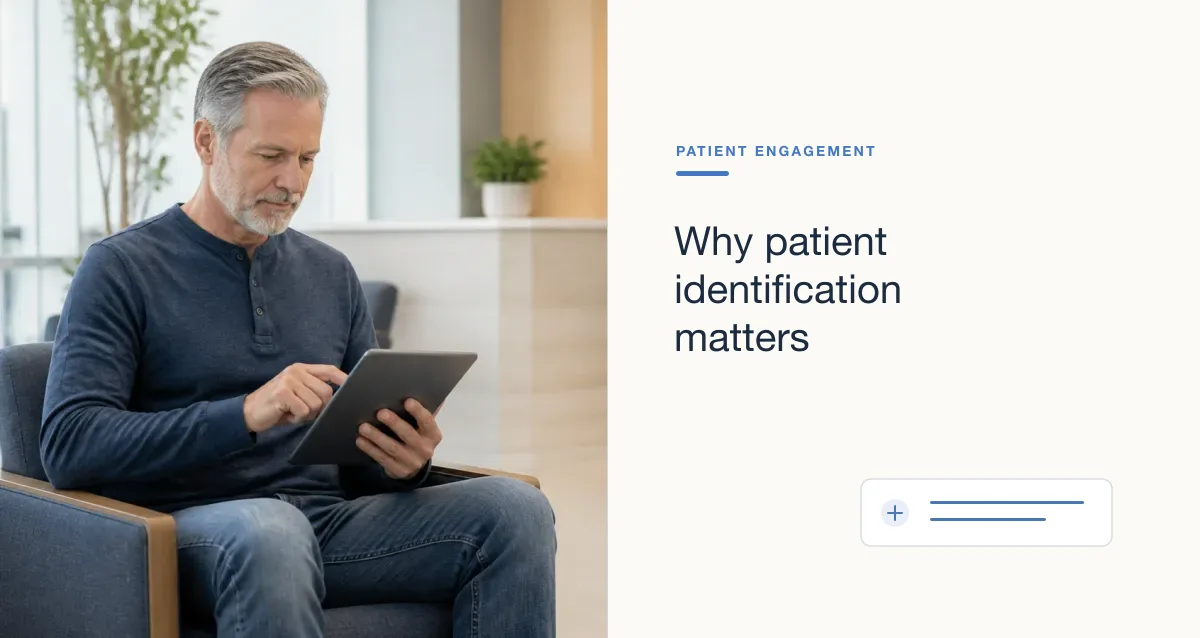
Why Is Patient Identification Important?
Why correct patient identification protects safety, privacy and the record: where misidentification happens, what The Joint Commission's two-identifier goal requires, and habits that help.
7 min read

Internal Factors That Shape Patient Safety in Healthcare
Patient safety is shaped by interacting workplace conditions—not just individual decisions. Learn how staffing, communication, leadership, workflows, equipment, and learning systems can create or reduce risk.
7 min read
What is the benefit of using soap notes?
SOAP notes organize a clinical note into Subjective, Objective, Assessment, and Plan sections. Learn what each part contains, how the format can support review, and where it should not replace clinical judgment.
5 min read
2026 Hospital Patient Safety Goals: The Joint Commission’s NPGs
The Joint Commission replaced the hospital NPSG chapter with 14 National Performance Goals in 2026. See the goals, scope, and practical ways to apply them.
7 min read

Patient Safety Goals: What Healthcare Teams Should Know in 2026
Understand why patient safety goals matter, how Joint Commission goals changed for 2026, and practical ways teams can turn safety priorities into reliable daily processes.
8 min read
EMR Documentation: A Practical Workflow Guide
Create clearer EMR documentation with a patient-first workflow for chart review, templates, follow-up, corrections, and team safety checks.
3 min read

How Does an EMR Affect Patient Care and Documentation?
An EMR changes how clinicians create, find, and share encounter information. Learn where structured notes can help, where they can add friction, and how to protect clarity and follow-up.
7 min read
How EHRs Can Support Patient Safety—and Where Risks Remain
EHRs can support medication safety, information access, and follow-up—but usability, data quality, alerts, and workflow design determine whether those tools help.
7 min read

How to Correct an Electronic Health Record
Learn how to correct EHR errors transparently, preserve the record history, handle patient amendment requests, and route uncertain cases appropriately.
4 min read
Healthcare Errors That Impacted Patient Safety
Healthcare errors can involve medication, diagnosis, communication, or patient identification. Learn how teams can respond to safety events and improve the systems around care.
12 min read
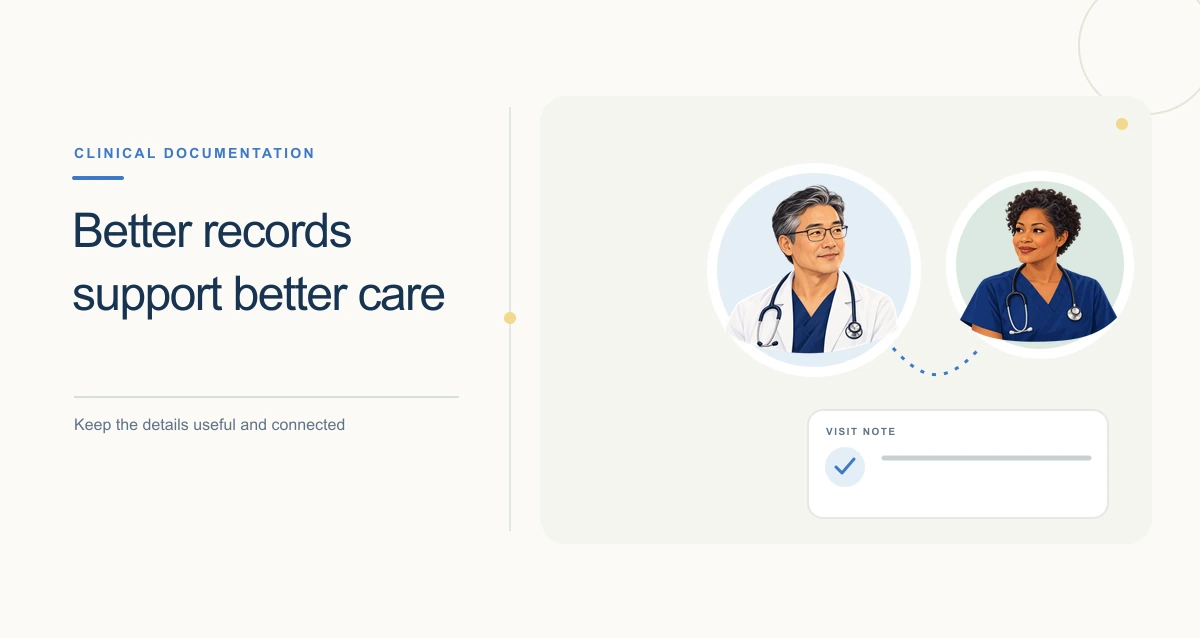
Clinical Documentation That Supports Better Patient Care
Clear clinical documentation helps care teams understand what happened, why decisions were made, and what comes next. Learn practical ways to improve accuracy and continuity without adding needless charting burden.
8 min read

3 ways you can identify a patient
Use a reliable patient-identification process: ask for approved identifiers, match them to the record and care task, and stop to resolve any mismatch.
6 min read